
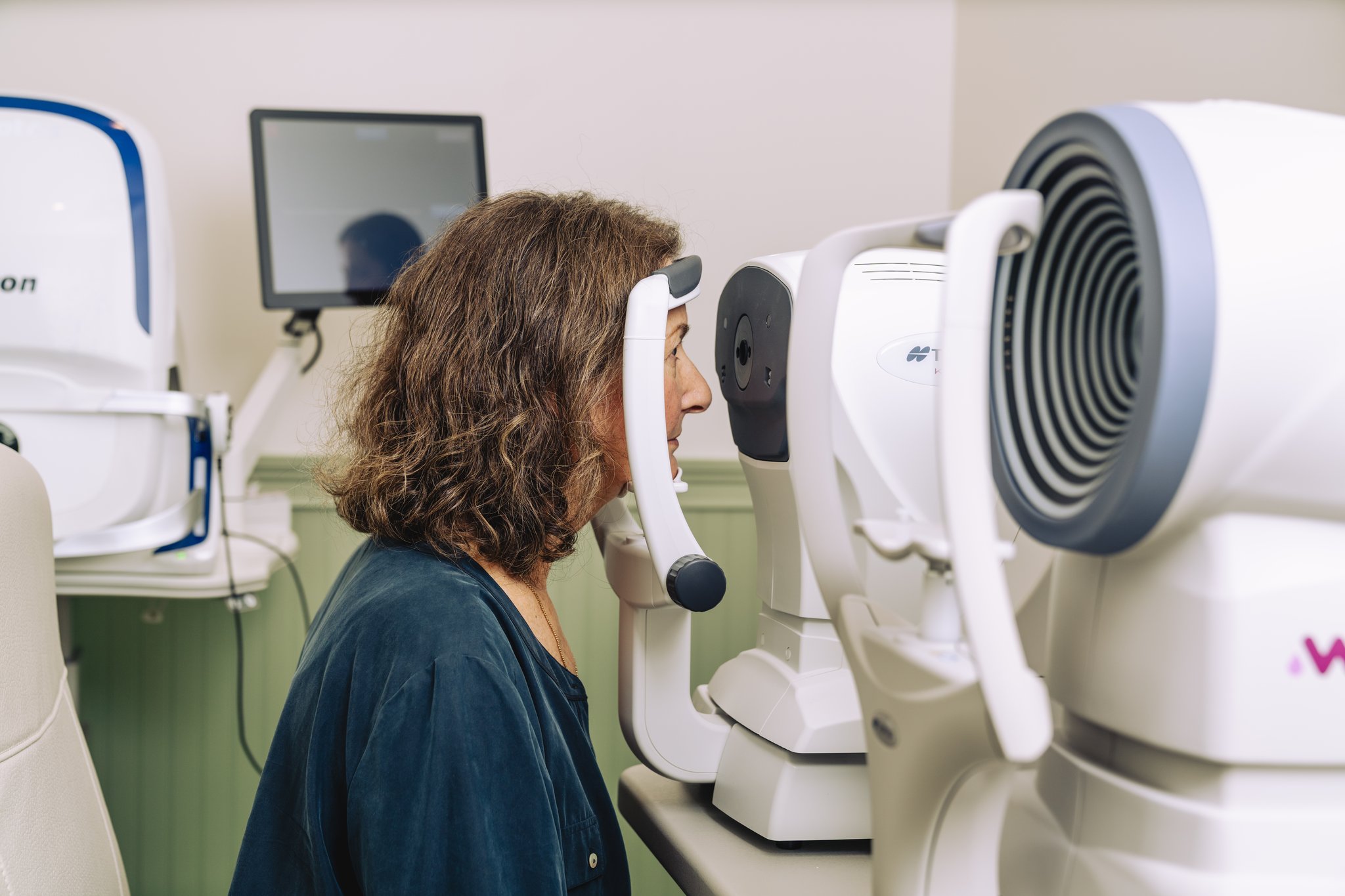
Comprehensive Eye Exam
At Behold Family Eye Care, we believe that regular, comprehensive eye exams are one of the most important steps you can take to protect your vision at every stage of life. Led by Dr. Elena Lischau and her dedicated team in Cedar Park, TX, our practice is committed to providing thorough, personalized eye care for children, adults, and families throughout Cedar Park and surrounding communities.
What Is a Comprehensive Eye Exam?
A comprehensive eye exam is a detailed evaluation of both your vision and your overall eye health. Unlike a basic vision screening, a comprehensive exam looks at how well your eyes function and examines the structures inside and outside of your eyes.
During a comprehensive eye exam, our optometrist assesses your visual clarity, determines whether you need glasses or contact lenses, evaluates how your eyes work together, and checks for early signs of eye diseases. The exam also includes a careful review of your medical history, lifestyle needs, and any visual concerns you may have.
What to Expect During Your Appointment
When you visit our Cedar Park office, you can expect a welcoming and patient-focused experience. Our team begins by discussing any changes in your vision, symptoms you may be experiencing, and your overall health history.
During the exam, Dr. Lischau will:
- Assess how clearly and comfortably you see at different distances
- Determine if you need a new or updated prescription
- Evaluate how well your eyes work together
- Examine the health of your retina, optic nerve, cornea, and other internal structures
If needed, additional imaging or testing may be performed to provide a deeper look at your eye health. We prioritize clear communication, so you’ll always understand your results and any recommended next steps.
What Can a Comprehensive Eye Exam Detect?
Comprehensive eye exams are important because they can detect problems early - often before symptoms appear. Many vision issues develop gradually, and early diagnosis allows for more effective treatment and better long-term outcomes.
Refractive errors such as nearsightedness, farsightedness, astigmatism, and presbyopia can cause blurry vision. A precise refraction ensures your prescription provides clear, comfortable sight for daily activities.
Eye exams also screen for conditions like glaucoma, cataracts, macular degeneration, diabetic retinopathy, dry eye disease, and retinal issues. Early detection helps prevent permanent vision loss and allows for timely treatment.
Additionally, because the eyes provide a direct view of blood vessels and nerves, exams can reveal signs of systemic health concerns such as diabetes, high blood pressure, and other medical conditions.


